
Ship it to real people
After chapter one · Part 1 · series ongoing
Lots of companies say they’re user-centric. Game studios have their own version: “player-obsessed.” It’s on the wall, it’s in the all-hands deck, and nobody disagrees with it. So what does it actually look like when you do it?
Here’s my answer, from what happened to MoVox after chapter one went out. You put the thing in front of real people, you listen to what they say, and then you change the product, even when what they ask for isn’t what you planned to build. You build around the people who use it, not around the idea in your head.
Chapter one was a test, and I treated it like one.
At the end of September, chapter one of Romance of the Three Kingdoms played start to finish: ink paintings that open into short realistic clips and close back into the painting, voices, subtitles, read word for word from the original. I put it out as a production test. Not “look what I made,” but “let’s see what happens when somebody who isn’t me watches this.”
Family and friends watched it. The feedback that mattered most wasn’t about the pictures or the voices. It was about the words.
The book was the problem.
Romance of the Three Kingdoms is written in 文言, classical Chinese. It’s actually the easy kind of classical Chinese (浅近文言, if you want the term), and it’s still hard to follow. Not just for kids. For Chinese-speaking adults, watching a video, with the narration moving at the speed of speech and no way to stop and reread a sentence. If grown-ups who read Chinese every day were losing the thread, a kid or a young adult meeting this novel for the first time had no chance.
That one stung a little, because reading the original word for word was the whole point. It’s what MoVox was built around. Every character of the source has to reach the audio and the subtitles, and there’s a deterministic check that fails the chapter if a single one is dropped. I’d spent months making that true.
And it was also a little embarrassing, because I should have seen it coming. The reason this project exists is my kids, and English is their first language. The 文言 version was never going to reach them. It was the version for me.
So the next day there was a new design: a 白话 track. 白话 is plain modern Chinese, the way people actually talk. Same chapters, same pictures, but the story is retold the way you’d tell it at bedtime, not read off the page. The two versions even ended up as two performances: the 文言 is me reading the original book, and the 白话 is my wife telling it as a story, in her own voice.
I didn’t drop the original. The 文言 stays word for word, every character. The 白话 just needed its own version of that promise, because “every character of the source” can’t hold for a retelling. That’s a story for a later post.
I’d accepted a limit that the viewer didn’t.
The second note was about the realistic clips. Back in September I’d already decided the realistic parts looked more like a video game cut-scene than live action, and I wrote that down as the ceiling of what local models can do. Known, accepted, move on.
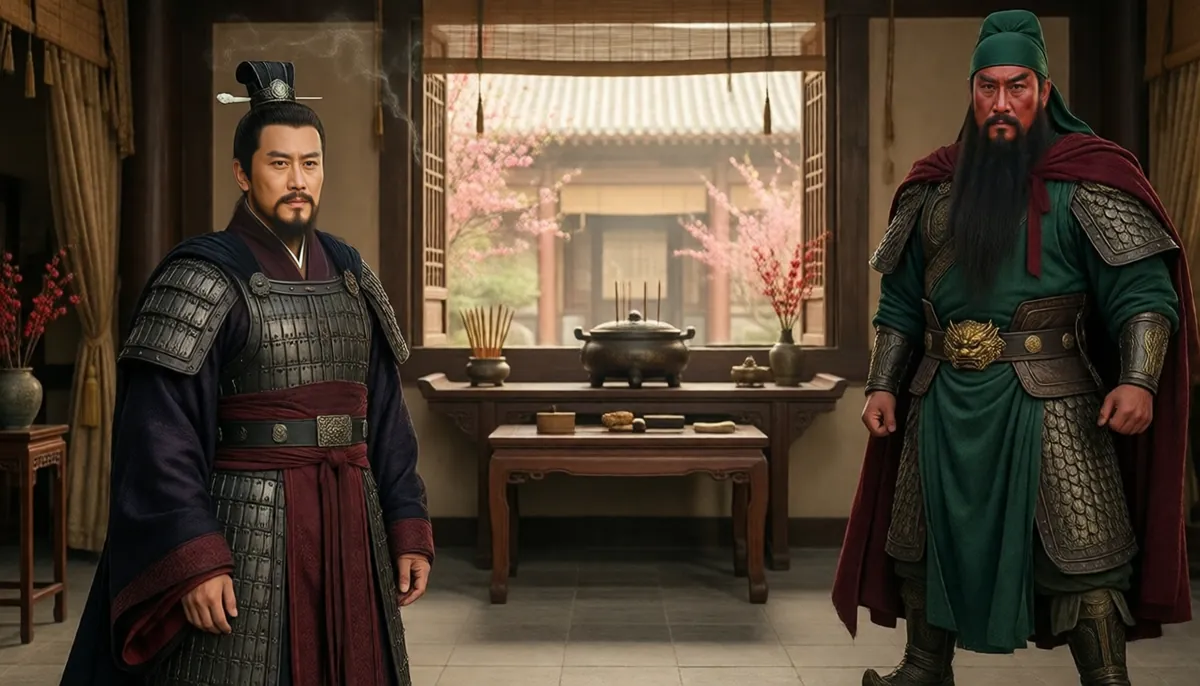
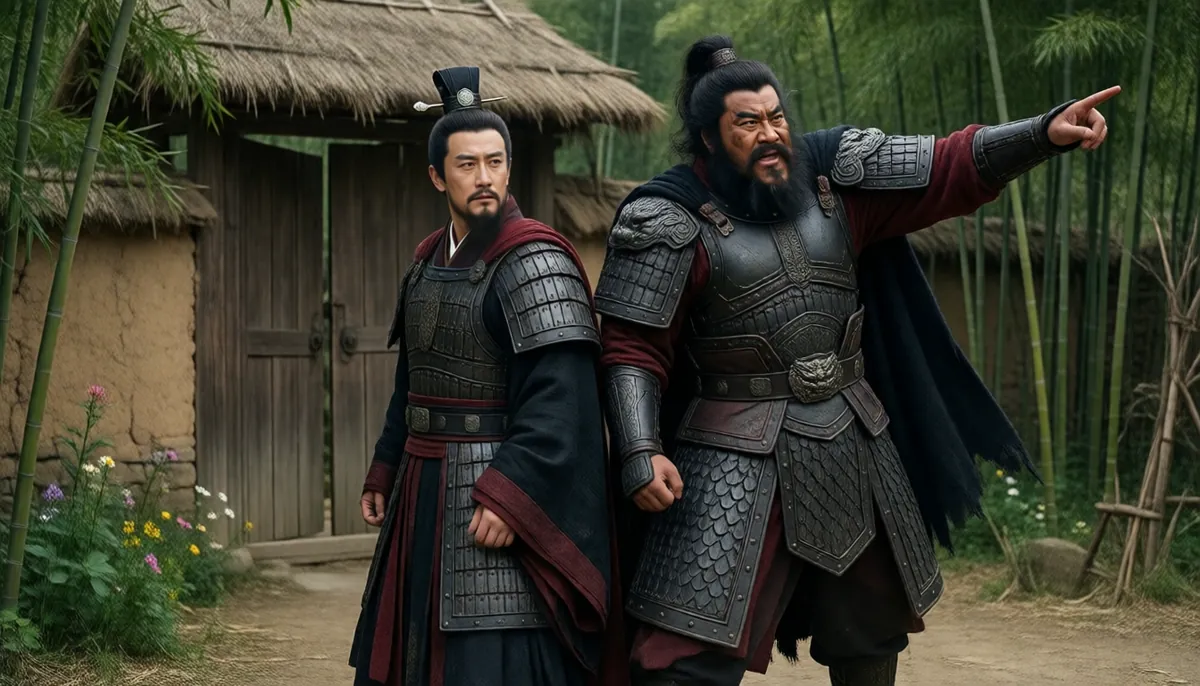
The viewers didn’t accept it. It came up on chapter one, and then my wife, who is also the art director on this project (the whole flashback idea was hers in the first place), said it much more plainly on the chapter 37 clips: it looks like “a human-like photo pasted on top of a cartoonish drawing.”
She was right. And “the ceiling of local models” turned out to be the ceiling of my recipe, not of the models. Two days later the photo step was rebuilt, and she signed off on the new clips as photoreal. How that fix works is the most technical post in this set, so I’ll save it. The point for this one is that I’d closed a question the people watching hadn’t closed. They get the final say on whether it looks real, not me.
Here’s what that looks like. Each picture is the photo a clip starts from, before it moves. Chapter one first, from September:
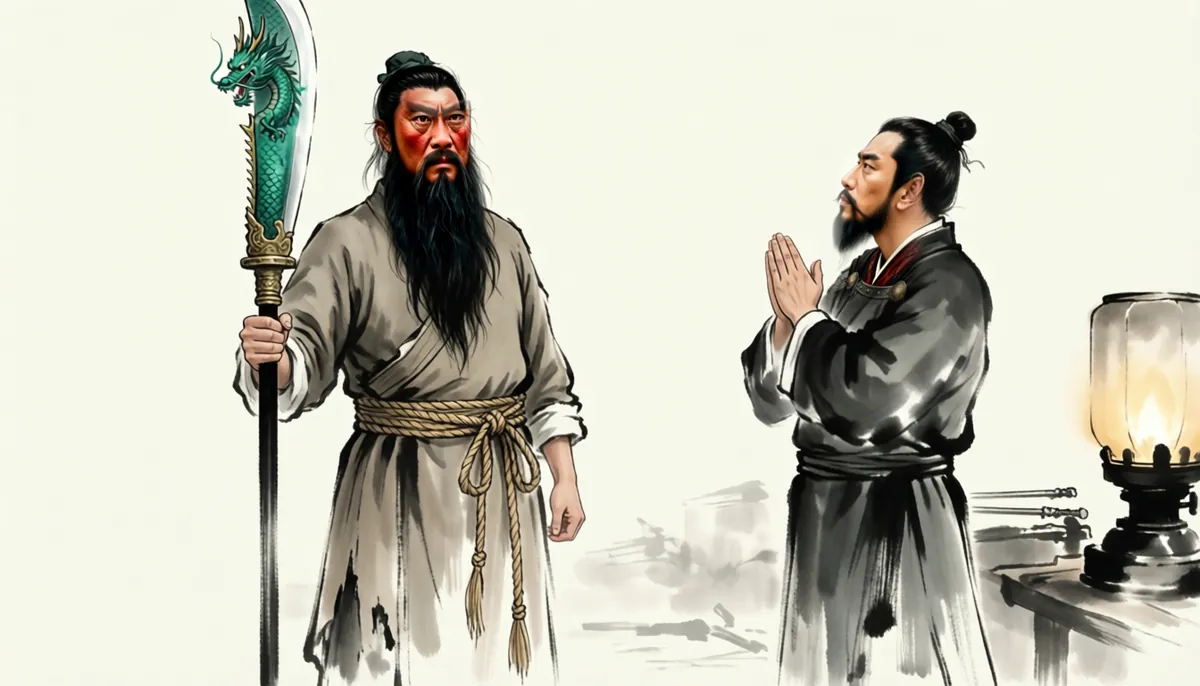
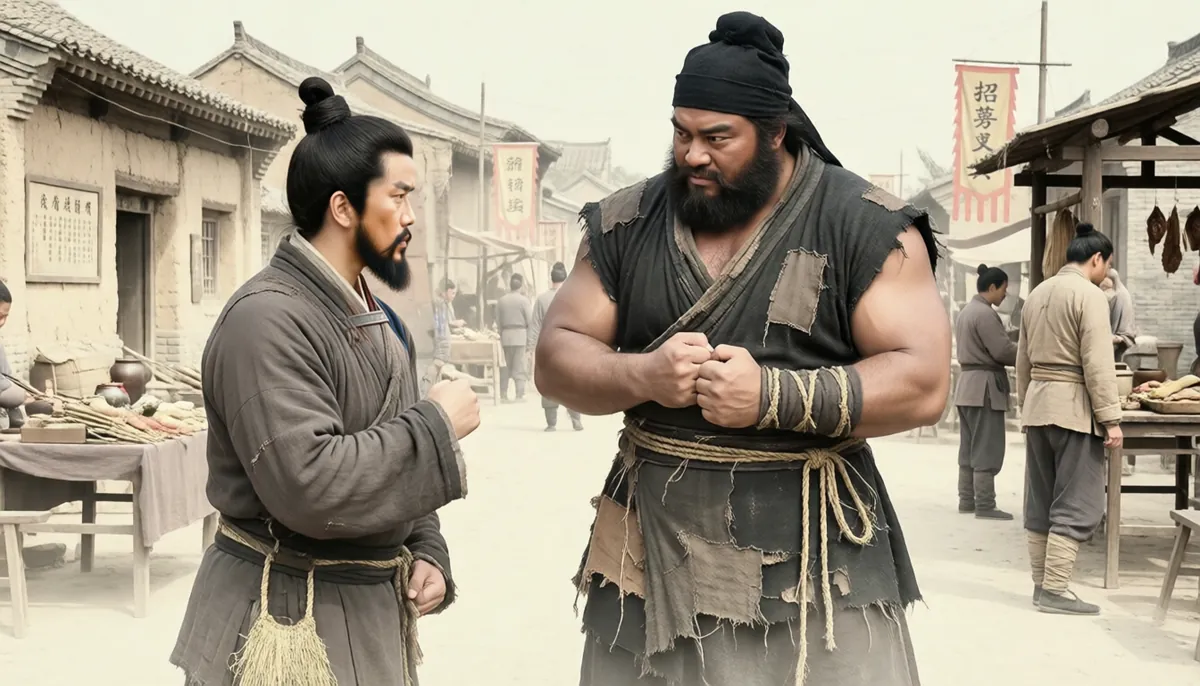
And the same brothers in chapter 37, after the rework:
Stories, not chapters.
The third one came from my wife too, once 白话 was real. Her point: if this is storytelling now, then “here’s another chapter” is the wrong way to release it. Nobody sits down for chapter 37. They sit down for 三顾茅庐, Liu Bei going three times to the thatched cottage to ask Zhuge Liang to join him. Release the famous stories, the ones people already know the names of.
This one I didn’t just say yes to, because she was asking for something that ran into a rule I’d set on purpose. In MoVox one video is exactly one chapter. That’s not a viewer-facing choice. It’s what keeps the production sane: every stage of the pipeline is keyed by chapter, each video comes out of one run, and the whole book can sit in one ordered list. Cut videos around stories instead, and every boundary becomes a custom job.
So we met in the middle, and the middle was a YouTube playlist. An episode is a playlist of whole chapters around one famous event. 三顾茅庐 is chapters 37 and 38, and they went up as 三顾茅庐(上) and 三顾茅庐(下), part one and part two. The story is the thing you click on. The chapter is still the unit underneath.
And keeping the chapter as the unit pays for itself in a second way. The 白话 and the 文言 cover exactly the same chapter, so they share the same scenes, the same paintings and the same clips. Most of what’s expensive to make, I make once and use twice. If the 白话 had been cut by story and the 文言 by chapter, I’d be drawing a lot of it two times.
What building around the people actually means.
Notice that I didn’t do what I was told every time. I did the 白话 the way it was asked for. I did the realism the way it was asked for. The episodes, I changed the shape of the answer, because the ask ran into something the system stands on.
That’s the part the posters on the wall leave out. Being user-centric doesn’t mean the loudest request wins, and it doesn’t mean the plan in your head wins either. It means the people who use the thing decide what the problem is. You still decide how to solve it, and sometimes the best solution is a different shape from what they asked for. A playlist instead of re-cut videos. A retelling with its own fidelity rule, instead of no rule at all.
And you only get any of this by shipping. I could have spent another month making chapter one prettier, alone, and every one of those three changes would still be waiting for me. 不要闭门造车: don’t build the cart behind closed doors. Push it out the door while it still squeaks, and listen to who complains about what.
Chapters 37 and 38 are up now, in 白话, in the 三顾茅庐 playlist. That’s what the feedback built. The next post is about what happened to the plan once I started saying yes to things.